


Mole removal · Milton, Brisbane
Raised mole or skin tag?
Removed in fine layers, without stitches.
Examined under a dermoscope and removed by Dr Tarek Shalabi, specialist GP. Dermoscopy certificate · 5,000+ skin procedures
Not a skin cancer check: if a mole has changed or worries you, see your regular GP. Flat moles aren’t removed here.
Before you book
Is my mole suitable?
Example photos only. Only his examination can confirm a mole is suitable.
-
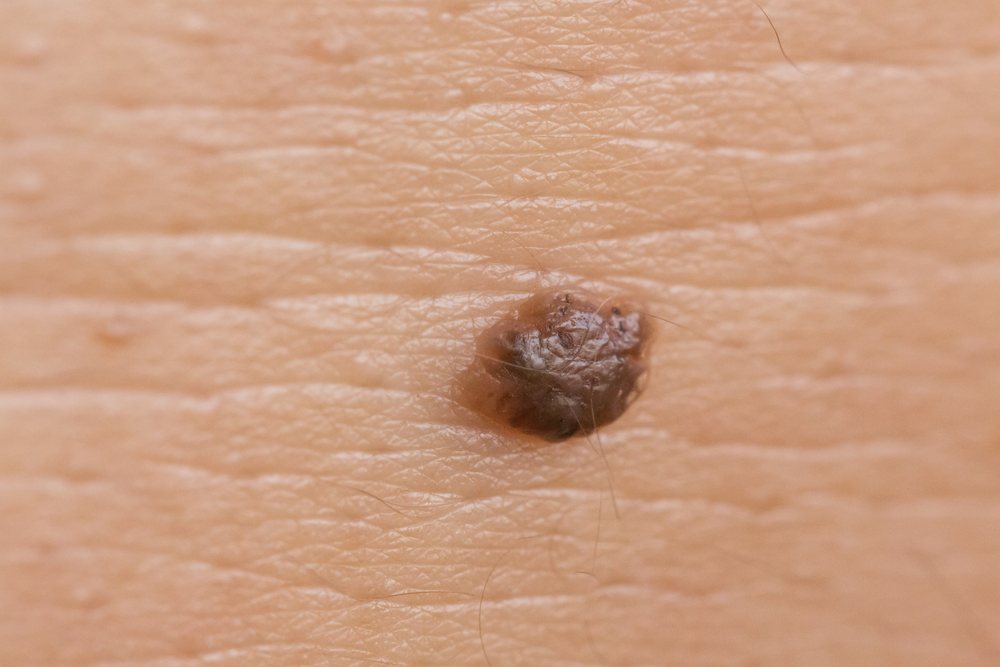
Raised, with colour
May be suitable
-
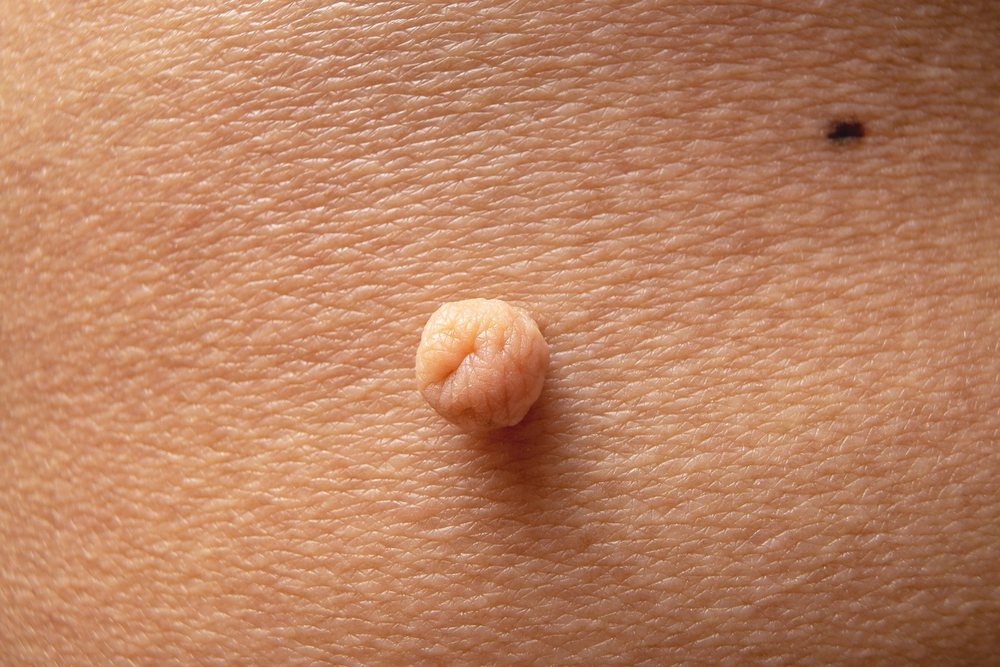
Raised, without colour
May be suitable
-
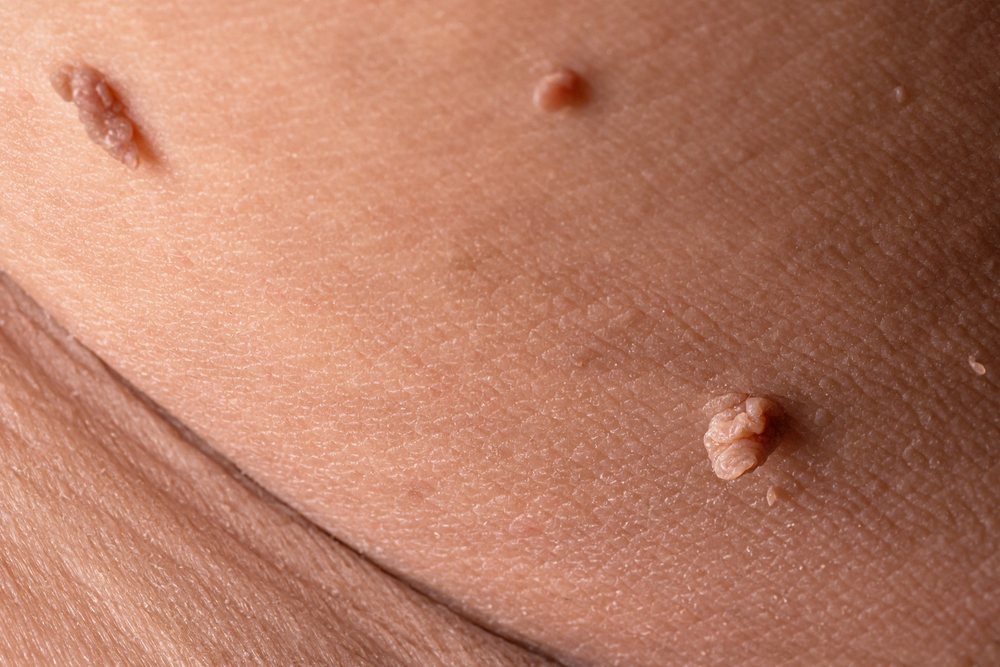
Skin tag
May be suitable
-
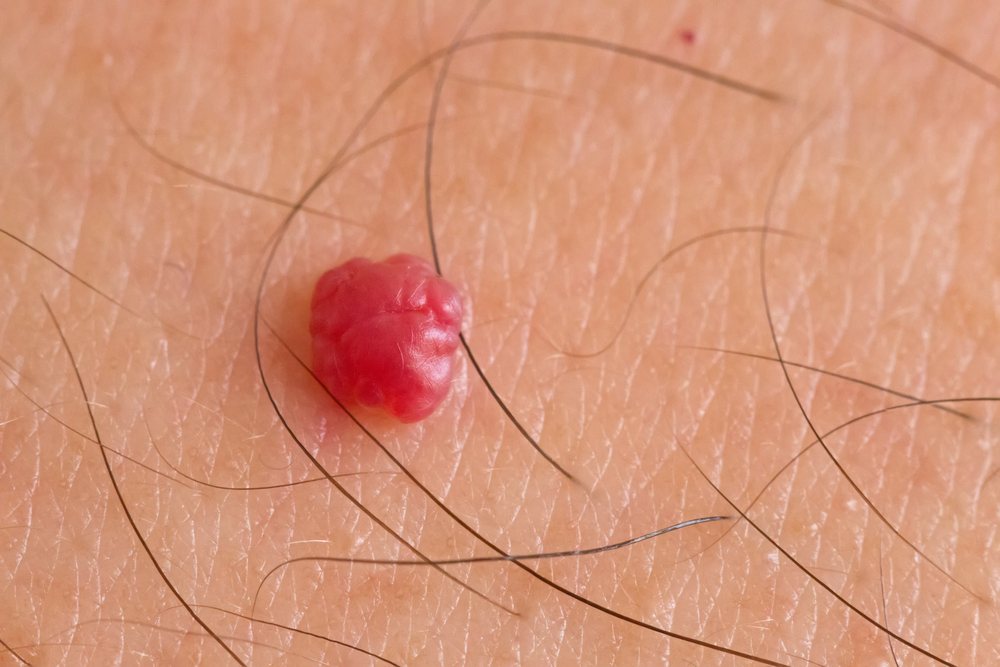
Red spot (cherry angioma)
May be suitable
-
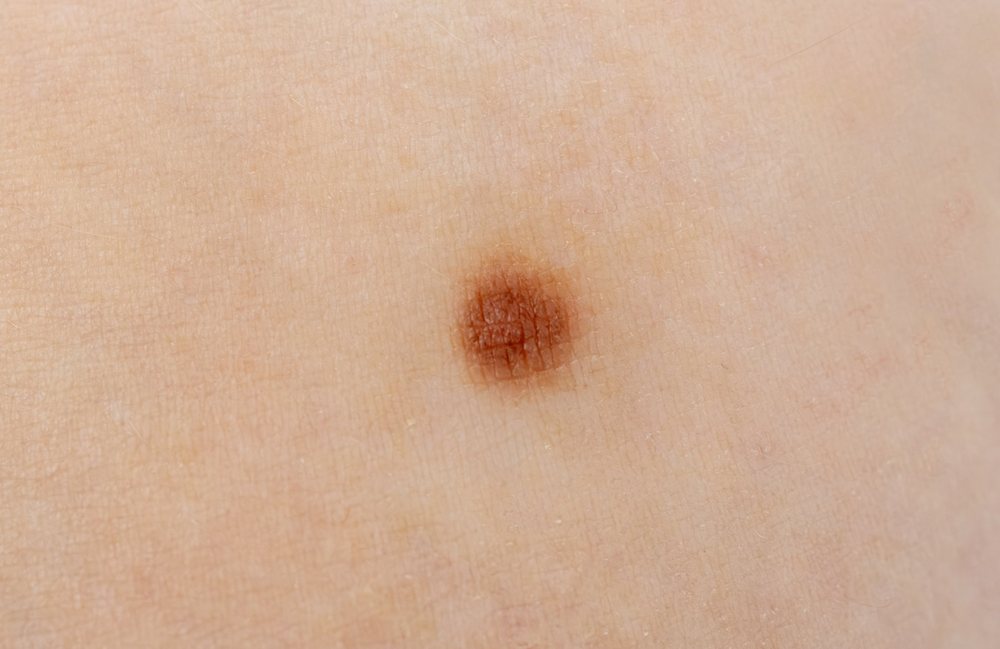
Flat
Not removed here
Removal aims to bring a raised mole level with the surrounding skin. A mark can remain.
Moles on the lips or eyelids aren’t removed here.
Not sure? Check in three taps
1 Is it raised above the skin?
2 Is it on your lip or eyelid?
3 What are you after?
Only his examination can confirm a mole is suitable.
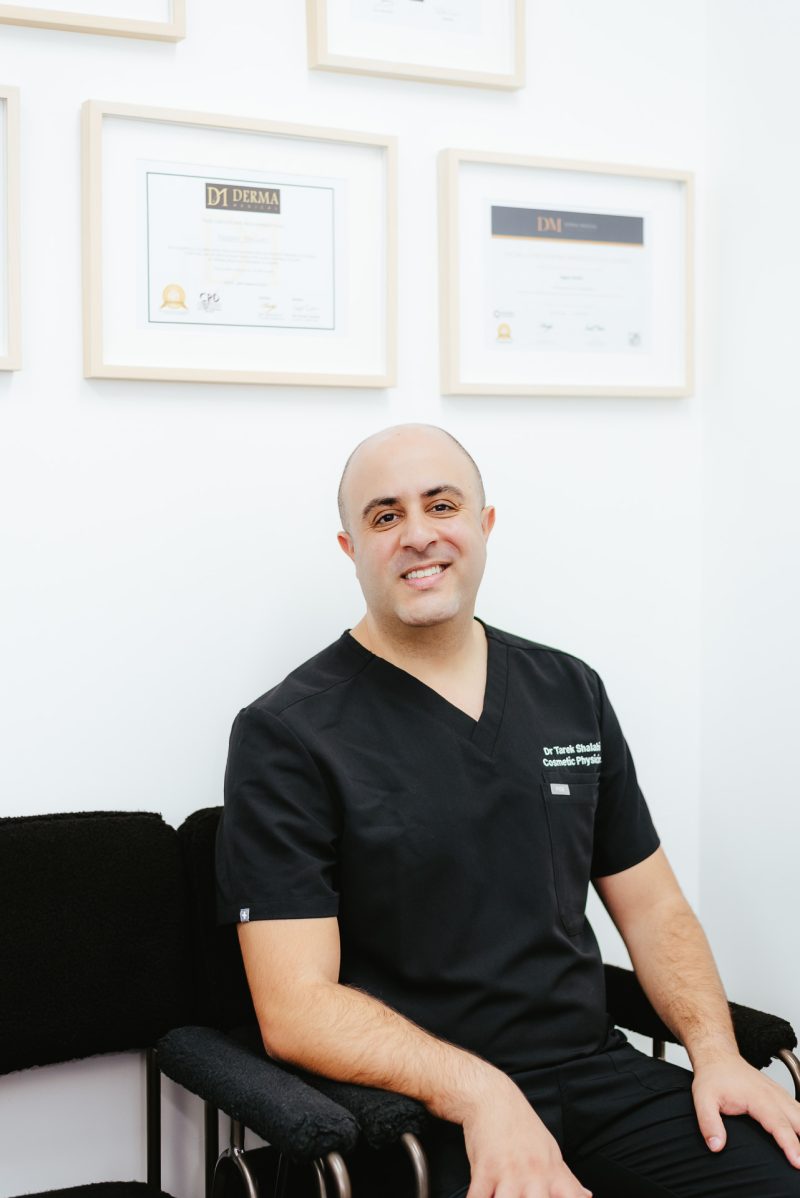
Who you’ll see
Dr Tarek Shalabi
- Specialist GP
- Fellow of the Royal Australian College of General Practitioners since 2021
- Dermoscopy
- Certificate from the Australasian College of Dermatologists
- Skin procedures
- More than 5,000 in his medical career
- Registration
- Specialist Registration in General Practice, MED0002045300, AHPRA. Check it on the AHPRA register
Before you choose
Five questions to ask before any mole removal
- 01
Who examines my mole, and how?
Dr Tarek Shalabi, with a dermoscope. He holds a dermoscopy certificate from the Australasian College of Dermatologists.
- 02
Who removes it?
He does. Every removal.
- 03
What if it looks suspicious?
It isn’t removed. He’ll refer you to your regular GP. Removal in fine layers leaves little or no tissue to test, so the check comes first.
- 04
What will healing look like?
New skin usually forms in about two weeks. The area stays red for 6 to 12 weeks and can keep improving for up to six months. A mark can remain.
- 05
What does the price include?
The examination, numbing, removal and aftercare. If nothing is removed, there’s no charge.
How it’s removed
One fine layer at a time
Radiofrequency, not a laser. A fine wire loop takes a thin layer with each pass, under magnification.
-
1. The mole. A raised mole sits above the skin. Some of its cells sit below it.
-
2. The loop. After numbing, a fine wire loop is brought to the top.
-
3. One thin layer. Each pass of the loop removes one thin layer.
-
4. Layer by layer. Then the next, under magnification.
-
5. Energy lowered. Near skin level, the energy is turned down for finer control.
-
6. Level. The aim is a surface level with the skin around it.
-
7. Healing. New skin usually forms in about two weeks. Redness fades over the weeks after.
Why it’s done this way
- Fine layers Each pass takes only a little, so he can stop at the right depth.
- Under magnification He works with magnifying loupes, so he sees each layer as it’s removed.
- Energy lowered near the base Less energy where the mole meets the surrounding skin.
It takes longer than removing it in one go, and it asks for a steady hand. Every removal is done by Dr Tarek Shalabi.
What it costs
Moles and skin tags
$375 the first
$175 each extra, same visit
Intimate areas
$475 the first
$175 each extra, same visit
- Moles and intimate areas at one visit? The first is $475.
- Red spots (cherry angiomas) are the same price as moles.
- Cosmetic removal isn’t covered by Medicare.
- Your total is confirmed before treatment.
Includes
- Examination If nothing is removed, there’s no charge.
- Numbing
- Removal
- Aftercare
A $100 deposit holds your appointment
- If a mole is removed, it goes towards your fee.
- If nothing is removed, it’s refunded in full.
- Change more than 24 hours ahead, and it moves with your booking. Cancel more than 24 hours ahead, and it’s refunded.
- Less than 24 hours before, it’s kept.
Not sure yet?
Send a photo first
Use the enquiry form below, with a clear photo of the mole, and you’ll get his response and recommended next steps within 48 hours.
A photo can’t confirm a mole is suitable: only the examination can. Please don’t send photos of intimate areas: book a consultation instead.
Your appointment
On the day
- 30 min
- Your appointment
- 2 weeks
- Wound care at home
- Same day
- Usually back to work
- 01
Examined
If it’s suitable, it’s usually removed at the same visit.
- 02
Numbed
One injection for each mole. It hurts briefly, then the area is numb.
- 03
Removed
In fine layers, by him.
- 04
Aftercare
Written instructions, and a way to reach us if you’re worried.
How it heals
-
About 2 weeks
A new layer of skin usually forms.
-
6 to 12 weeks
The area stays red.
-
Up to 6 months
It can keep improving.
-
After that
Any mark still there may be permanent.
Healing varies from person to person.
Risks
Infection (rare), a change in skin colour (more likely in darker skin), the mole coming back, and scarring. Scarring is more likely if you’ve had raised or thickened scars before.
No tissue is sent for testing, so the examination beforehand is the only check, and it can’t rule out every skin cancer.
Aftercare, in short
-
For two weeks: Vaseline every couple of hours, left uncovered. If you need to cover it for an event, we’ll explain what you can use.
-
For two weeks: no swimming of any kind. Shower as normal.
-
For six weeks: protect it from the sun, to help stop the skin darkening.
No fixed follow-up visit. Email us a photo, and we’ll advise whether you need to come in.
Questions
What is radiofrequency mole removal?
After numbing, a raised mole or skin tag is taken down in fine layers with a fine wire loop that carries radiofrequency energy, under magnification. The aim is a surface level with the skin around it. No stitches are needed.
Is it laser mole removal?
Some people call it that. The method is radiofrequency, not a laser.
Does it hurt?
One injection for each mole. It hurts briefly, then the area is numb.
Will it leave a mark?
It can. No method can promise no mark. The area stays red for 6 to 12 weeks and can keep improving for up to six months. Any mark still there after that may be permanent.
Can it come back?
It can. Some of a mole’s cells sit below the surface, so a mole can grow back.
Does Medicare cover it?
No. Cosmetic removal isn’t covered by Medicare. If a mole has changed or worries you, see your regular GP.
Can I have more than one removed?
Yes, if each one is suitable.
Can moles be removed from intimate areas?
Yes. Moles and skin tags can also be removed from intimate areas: the genitals, the skin around the anus, and the breasts. As a guide, that’s any area covered by underwear. A chaperone is present for these removals. Haemorrhoids aren’t removed.
Reviewed by Dr Tarek Shalabi, specialist GP. Last reviewed November 2026.
A cosmetic reason. A medical decision.
You don’t need a medical reason to want a raised mole removed. You do need an examination to find out whether removal is suitable.
Milton, Brisbane: 33 Park Road · By appointment, on weekdays and some Sundays
This site is protected by reCAPTCHA.
Cosmetic Mole Removal Disclaimer
Disclaimer: The purpose of this page is to provide information regarding medical consultations with Dr. Tarek to address patient concerns. It is not the intention of any information included within this website to promote the supply of prescription medications. All bookings with Dr. Tarek are for consultations only for the purpose of a patient’s concern and are treated as medical consultations which will include history taking, BDD screening, medical examination, medical history, patient ideas, concerns and expectations. Following the consultation, Dr. Tarek will be able to provide options moving forwards which can also include non-treatment and non-medical management options. Furthermore, a booking of a consultation does not guarantee supply of a prescription medication. All decision-making is completed during the medical consultation with Dr. Tarek. In many cases, following a consultation a patient may be deemed not suitable for prescription medication and will be provided with alternative options. This is in keeping with TGA guidelines regarding the advertising of prescription medications.